
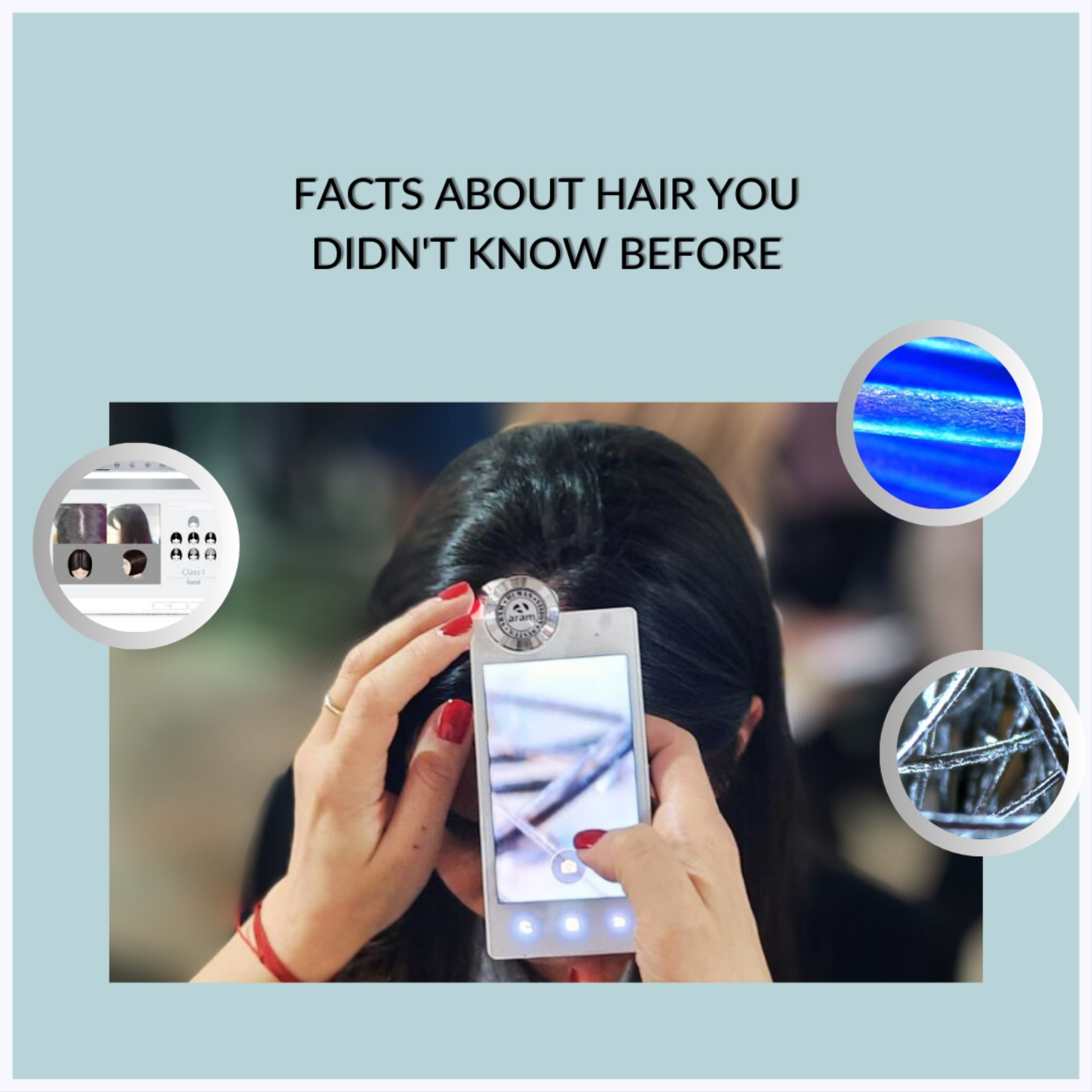
Do you start from the belief that the ends of the hair are the most important for the healthy appearance of the entire hair, and that if you shorten the ends you solve the problem? Confusion occurs when, even after regular haircut, the hair does not grow as desired, or only the condition of the hair remains the same. This brings us to the truth that although taking care of the ends is beneficial, overall health starts from the scalp. Therefore, below we will provide useful information in order to achieve the desired, that is, the best possible hair with a healthy scalp.
- What exactly is the scalp?
The scalp is a layer of skin on the head from which hair grows. Think of it as the base and basis of where your hair gets nutrients and vitamins so that it can become stronger, healthier and longer. It is common to neglect the scalp itself during the search for healthier hair.
- Scalp structure
The scalp is a soft tissue consisting of five different layers within which hair follicles grow and reach their peak through the hair itself.
The layers of the scalp are:
- skin,
- connective tissue,
- epicranial aponeurosis,
- loose areolar connective tissue and
- pericranium.
- What does the scalp look like normally?
The appearance of the scalp itself is largely neglected because it is rarely visible to the naked eye, that is, it is covered with the hair itself. However, the appearance of the scalp may vary depending on the care and condition in which the scalp is located.
A normal and healthy scalp should not have flakes or dandruff, nor too much fat and irregular formations, nor redness and any irritations. A healthy scalp creates conditions for healthy hair and growth stimulation.
- In what conditions can the scalp be found?
Scalp conditions vary from extreme to moderate cases and can manifest differently in each individual. However, there are three common conditions that can be treated to achieve a healthier scalp.
1.Dry, irritated head skin
- This condition of the scalp can manifest itself in the form of flakes and dandruff, and can manifest itself in the form of irritability and irritability of the scalp
- It happens when the hair does not retain enough moisture or when the scalp does not produce enough moisture. This can occur due to exogenous factors such as the climate or the environment in which one lives, frequent washing or other causes such as health conditions.
- The climate in which a person lives greatly affects the natural condition of the hair, so if someone lives in a dry environment, it can cause the hair to be or look dry and brittle.
- Washing your hair frequently can also cause your hair to lose its natural moisture and can often do more harm to your hair than good.
- Health conditions such as eczema and psoriasis can also cause the scalp to become dry, irritated and flaking.
2. Oily, seborrheic scalp
- This condition occurs due to excessive production of sebum and should be separated from oily hair on the third day of washing, which has been oily over time.
- Hair looks greasy, dirty and wet even after it’s been freshly washed.
- Oily scalp can also increase the appearance of dandruff and acne, which can cause the appearance of irritation.
3. Irritable scalp
- It can manifest itself with acne or dandruff, itching and redness
- The appearance of dandruff is possible due to the rejection of extinct cells by the scalp
- This condition can also occur due to fungal infections, or the use of oils and certain hair products.
- Constant itching and irritation of the scalp can promote hair loss, which can lead to increased hair loss.
- How can you find out what your scalp condition is and how to access care?
To find out what condition of the scalp you have and how to treat it, it is recommended to do an analysis of the scalp. Scalp analysis is important to better determine the health of your scalp, so you can look at the problem in more detail and find a solution.
Aram Huvis analyzers offer the perfect tool for scalp analysis.
Analysis parameters:
- Hair loss status
- Scalp status
- Hair density
- Keratin
- Sensitivity
- Thickness of hair
- Hair pore status
- Cuticle
Satisfy your customers with excellent performance, precision, clear photos.
Add innovation to innovation. Become a #PROcentar