
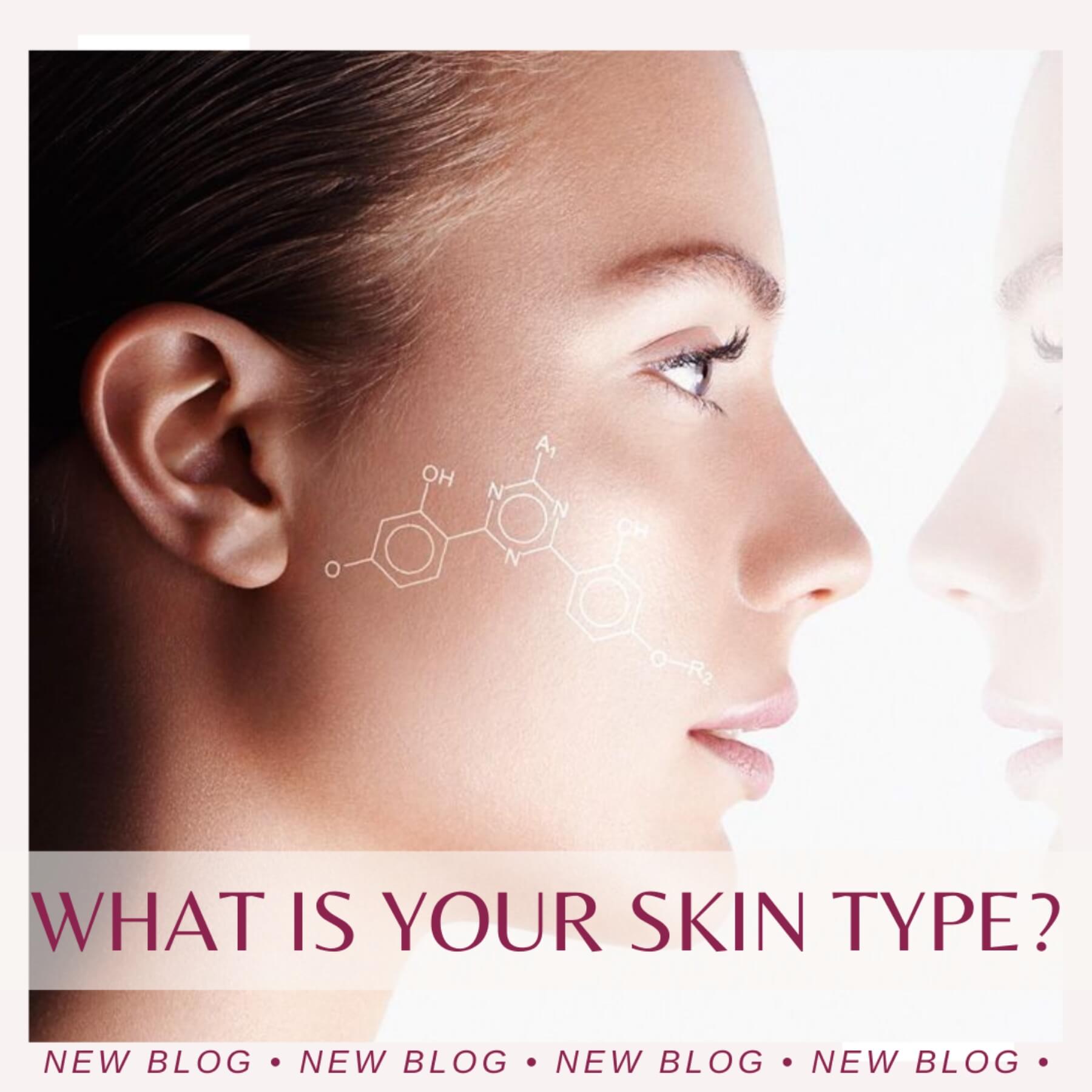
Was there an item on your list of New Year’s resolutions to use skin care products more regularly? And have you also encountered the eternal doubt of what your skin type really is?
I will not ask further questions, because we have a solution… Visit the nearest PRO center and with a comprehensive skin analysis you can find out products that are suitable for your skin so that further care routine becomes a pleasure.
In the following, we listed the classic skin types, their characteristics and the concept of care.
Skin type is considered as more permanent concept, while skin condition is changeable, and is based on the genetic background of the skin.
- Normal skin
Characteristics: the pores are of normal size, the skin is unsensitive, normal keratinization, the tone and elasticity are good, contains a natural glow, good circulation without visible capillaries
Care concept: Protect and preserve skin condition – key: prevention
Maintain the moisture level and uniform lipid content, protect the skin from oxidative stress and the harmful effects of free radicals
- Dehydrated skin
Characteristics: the skin sweats minimally, elasticity is reduced, it is highly sensitive, the natural glow is reduced, a feeling of tightness is created due to dehydration in all segments, small wrinkles appears – first of all in the area around the eyes because the skin is 4x thinner there, TEWL is lost, tendency to develop milia
Care concept: Enhanced hydration and prevention of transepidermal moisture loss (TEWL)
Optimize the hydrolipidic film, restore the skin barrier, supply the skin with natural moisture factors, reduce TEWL, increase water binding capacity
- Dry skin
Characteristics: reduced sebum production and sweating, weakened hydrolipidic protective barrier, highly sensitive skin without shine, frequent occurrence of redness and eczema, feeling of tightness, pores small to normal size
Care concept: Rebalancing of lipids and moisture content
Optimize the hydrolipidic film and restore the protective barrier, increase lipid content, reduce TEWL, regulate peeling, increase water binding
- Oily skin
Features: increased sebum production, enlarged pores, moderate to very oily shine present, comedogenicity, acne, rough skin surface
Care concept: Regulation of sebum production and matting
Remove excess sebum, reduce sebum secretion, reduce the horny layer of the skin, narrow pores, reduce inflammatory processes
– Subtypes of seborrhea:
- Seborrhoea oleosa
Characteristics: hyperactivity of the sebaceous and sweat glands, presence of oily sheen, large follicles, partially present scaling, skin is thick, rough and insensitive, pustules and papules present in the form of inflammatory eruptions, basic pH value, insensitive, without damaged skin barrier, good tolerance to AHAs
Care concept: Intensive cleaning, degreasing
- Seborrhoea sicca
Characteristics: non-greasy skin, dull, matte, normal to large follicles present, scaling, some acne and comedones, no inflammation, damaged skin barrier, extremely sensitive, pH medium acidic to basic, low tolerance to AHAs
Concept of care: Hydration, gentle cleansing, soothing, if necessary, heal inflammatory processes